
How I Configure StrategyQuant Builds for Specific Markets
In the previous article, I explained how I organize my StrategyQuant builds, how I filter large groups of generated strategies, and how I identify combinations

In the previous article, I explained how I organize my StrategyQuant builds, how I filter large groups of generated strategies, and how I identify combinations

Knowing When a Trading System Is Healthy, Degrading, or Already Dead Introduction: Why Profitable Systems Still Fail Most trading systems do not die suddenly. They

In the previous article, I explained the broader idea behind how I generate and sort trading algorithms. The main principle is simple: I do not
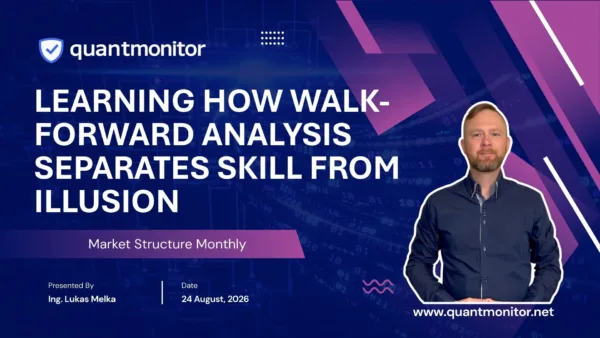
Introduction: Why Backtests Fail Traders Most trading strategies do not fail because their logic is flawed. They fail because their evaluation process is structurally naïve. Backtests
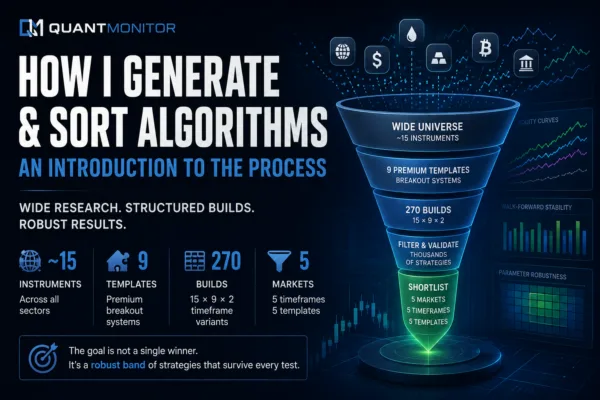
How I Generate and Sort Trading Algorithms: An Introduction to the Process Most traders start with a market and try to force a strategy onto
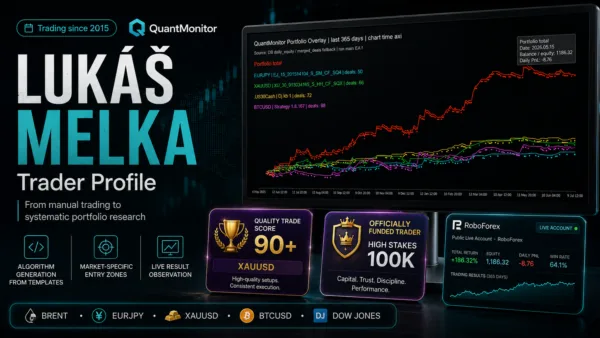
I’ve traded since 2015 — Forex first, then equity indices, and gradually I replaced isolated ideas with testable algorithms, portfolio construction and live monitoring. This
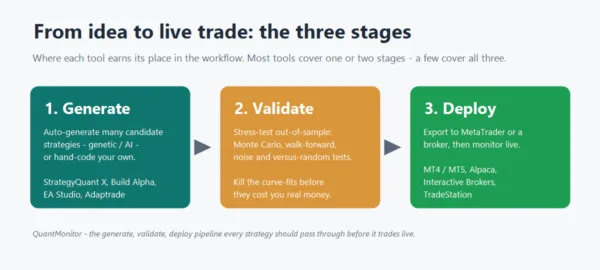
Compare the best algorithmic trading software in 2026 for strategy generation, AI, backtesting, market data, broker accuracy and live deployment.
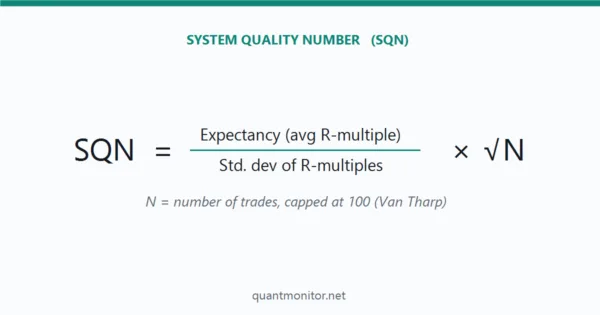
What is a good System Quality Number (SQN)? A good System Quality Number (SQN) is 2.5 or higher, measured over at least 100 trades. Below
A trading system isn't a signal you discover — it's an architecture you assemble from parts. Change the question from "when do I buy?" to
Market Structure Without Time Noise Introduction: Why Time Became a Problem Modern market analysis is dominated by time-based representations. Candles, bars, and indicators assume that
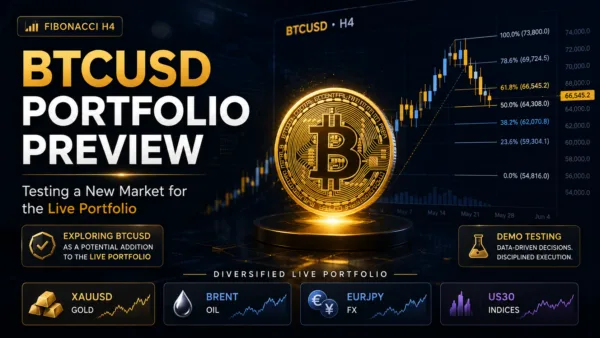
A new market is only worth adding if it does something the markets you already trade don't — and if it survives realistic costs once
Why Patterns Exist, Repeat, and Eventually Fail Introduction: Patterns Are Not Shapes Swing-trading patterns are often treated as visual shortcuts — recognizable shapes that promise